

Table of Contents
Selling B2B software means convincing not one person, but an entire committee. Research from Gartner reveals that 6 to 10 decision-makers participate in typical B2B software purchases, each bringing their own priorities, concerns, and veto power. Creating a single buyer persona for your SaaS marketing strategy leaves money on the table and extends your sales cycle unnecessarily.
This comprehensive guide walks you through building multiple personas that reflect the reality of Build Multiple Personas for B2B SaaS buying decisions. You’ll learn how to identify each stakeholder, understand their unique motivations, and create content that moves your entire buying committee toward a purchase decision.
Why Single Personas Fail in B2B SaaS Marketing
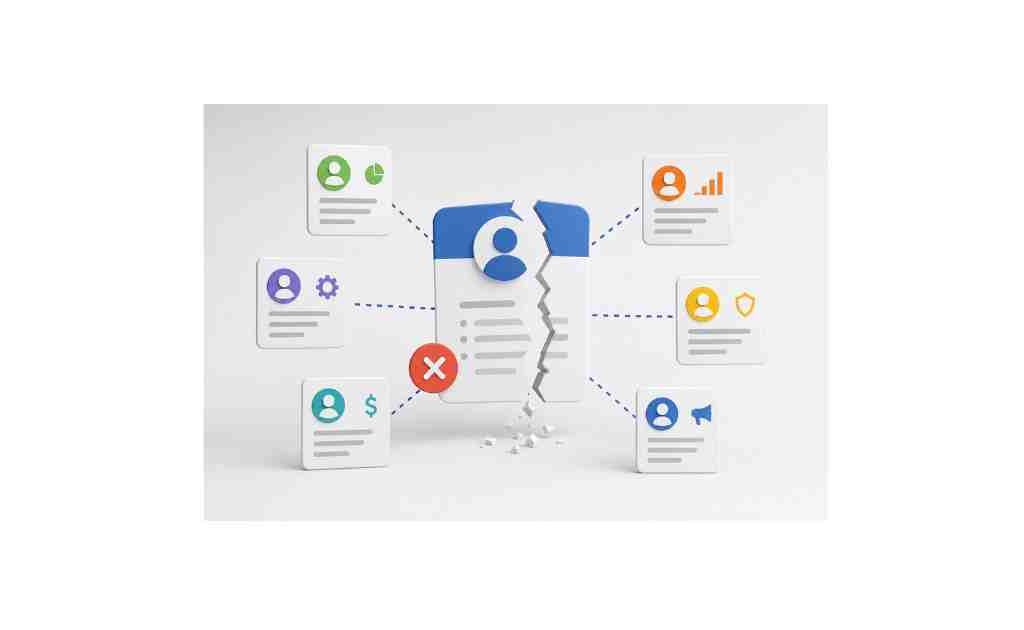
Traditional marketing taught us to create one detailed persona: “Marketing Mary, 35, manages a team of 5, struggles with ROI reporting.” This approach works for B2C products or simple B2B transactions. It falls apart completely when you’re selling enterprise software with six-figure price tags.
B2B SaaS purchases involve risk assessment, budget approval, technical evaluation, and end-user adoption. Different people own each of these concerns. Your marketing must speak to all of them simultaneously, or you’ll lose deals to competitors who do.
Consider what happens when only one persona receives attention:
- The Champion gets excited about features but can’t convince IT that your solution meets security requirements
- The Economic Buyer sees ROI potential but hears complaints from end-users about poor usability
- The Technical Evaluator approves the integration capabilities but the budget holder never understands the cost savings
Each stakeholder needs specific information at specific times. Your persona framework must account for this complexity.
The Four Essential B2B SaaS Persona Archetypes

Successful Build Multiple Personas for B2B SaaS companies build content around four distinct persona categories. These aren’t job titles—they’re roles in the persona buying process. One person might fill multiple roles in smaller organizations, while large enterprises might have several people representing each archetype.
1. The User Buyer (The Champion)
The User Buyer interacts with your software daily. They experience the pain point most acutely and feel the immediate benefits of solving it. This person becomes your internal advocate, pushing for adoption and defending the purchase decision to colleagues.
Characteristics:
- Hands-on with the product
- Measured on productivity metrics
- Frustrated by current workflow inefficiencies
- Influential but rarely has final budget authority
Primary Concerns:
- Ease of use and learning curve
- Feature completeness
- Time savings and productivity gains
- Integration with existing tools
- Quality of customer support
Content They Consume:
- Product tutorials and walkthroughs
- Feature comparison charts
- User community forums
- Case studies showing productivity improvements
- Free trials and sandbox environments
Messaging That Resonates:
“Eliminate manual data entry and save 10 hours per week” speaks directly to the User Buyer. They want concrete examples of how their daily work becomes easier.
2. The Economic Buyer (The Decision Maker)
The Economic Buyer controls the budget and evaluates purchases through a financial lens. This person might be a CFO, VP of Operations, or department head with P&L responsibility. They care less about individual features and more about business outcomes.
Characteristics:
- Owns budget allocation decisions
- Measured on ROI, cost reduction, or revenue growth
- Evaluates total cost of ownership, not just sticker price
- Concerned with risk mitigation
Primary Concerns:
- Return on investment timeline
- Total cost of ownership (licensing, implementation, training)
- Impact on key business metrics
- Vendor stability and longevity
- Contract flexibility and exit clauses
Content They Consume:
- ROI calculators and business case templates
- Industry benchmark reports
- Executive briefings and webinars
- Financial case studies with hard numbers
- Analyst reports (Gartner, Forrester)
Messaging That Resonates:
“Reduce operational costs by 30% within 6 months” addresses the Economic Buyer’s need for measurable financial impact. They want data, projections, and proof.
3. The Technical Buyer (The Gatekeeper)
The Technical Buyer evaluates whether your solution fits within the existing technology stack and meets security, compliance, and integration requirements. This person can’t always say “yes,” but they can definitely say “no.” Common titles include IT Director, CTO, Security Officer, or Systems Administrator.
Characteristics:
- Responsible for technology infrastructure
- Measured on system uptime, security, and compliance
- Skeptical of vendor claims
- Concerned with long-term maintainability
Primary Concerns:
- Data security and privacy compliance (SOC 2, GDPR, HIPAA)
- API availability and integration capabilities
- Single sign-on (SSO) and authentication
- Scalability and performance
- Implementation complexity and resource requirements
- Vendor technical support quality
Content They Consume:
- Technical documentation and API references
- Security whitepapers and compliance certifications
- Architecture diagrams
- Integration guides
- Performance benchmarks
- Implementation playbooks
Messaging That Resonates:
“Enterprise-grade security with SOC 2 Type II certification and 99.9% uptime SLA” addresses the Technical Buyer’s risk concerns. They want specifics, not marketing fluff.
4. The Coach/Influencer
The Coach believes in your solution and works behind the scenes to build consensus. They might be a mid-level manager, a respected individual contributor, or even an external consultant. This person lacks formal decision-making authority but possesses significant informal influence.
Characteristics:
- Recognizes the problem before others
- Researches solutions independently
- Well-connected within the organization
- Motivated by making their team or company successful
Primary Concerns:
- Building internal consensus
- Overcoming organizational resistance
- Demonstrating thought leadership
- Finding allies across departments
Content They Consume:
- Social proof and testimonials
- Industry trend reports
- Peer networking opportunities
- Change management resources
- Internal presentation templates
Messaging That Resonates:
“Join 500+ companies already transforming their workflows” gives the Coach social proof to share internally. They want ammunition to convince skeptics.
Step-by-Step Process for Building Multiple B2B SaaS Personas
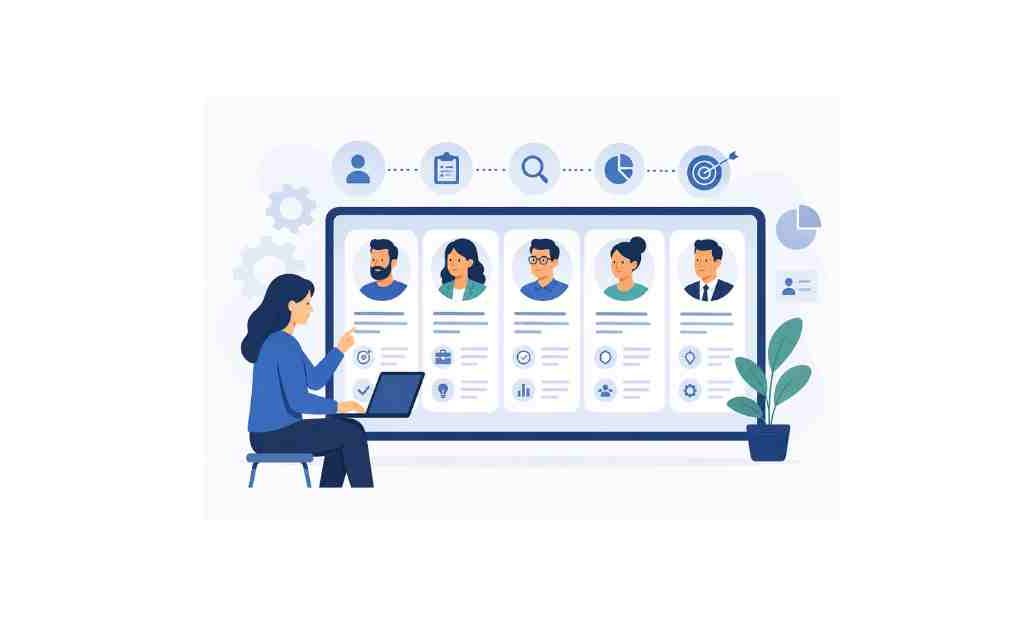
Creating personas requires moving beyond assumptions and gathering real data. Follow this systematic approach to build personas that reflect actual buyer behavior.
Step 1: Audit Existing Customer Data
Start with what you already know. Your CRM, product analytics, and customer success platforms contain gold mines of persona information.
Data Sources to Mine:
CRM Data (Salesforce, HubSpot, Pipedrive):
- Job titles and departments of contacts
- Deal velocity by persona type
- Objections raised during sales calls
- Email engagement patterns
- Meeting attendance records
Product Analytics (Mixpanel, Amplitude, Pendo):
- Feature usage by role
- Time-to-value metrics
- Activation rates by persona
- Expansion and churn patterns
- Support ticket frequency
Customer Success Data (Gainsight, Totango):
- Health scores by persona
- QBR attendance and engagement
- Renewal decision-makers
- Expansion champions
- At-risk account signals
Marketing Analytics (Google Analytics, Marketo):
- Content consumption by job title
- Conversion rates by persona
- Attribution data showing touchpoint sequences
- Email open and click rates by segment
Look for patterns. Do CFOs consistently raise pricing objections in month 2 of the sales cycle? Do IT directors always request security documentation after the demo? These patterns inform your persona development.
Step 2: Conduct Jobs-to-be-Done Interviews
Demographics tell you who your buyers are. Jobs-to-be-Done (JTBD) research reveals why they buy. This qualitative research method uncovers the underlying motivations that drive purchase decisions.
Interview Structure:
Opening Questions:
- “Walk me through the events that led you to start looking for a new solution.”
- “What were you trying to accomplish when you decided to make a change?”
- “What alternatives did you consider before choosing us?”
Progress-Making Questions:
- “What does success look like 6 months after implementation?”
- “How do you measure whether this purchase was worth it?”
- “What would happen if you didn’t solve this problem?”
Obstacle Questions:
- “What almost prevented you from moving forward?”
- “Who needed to be convinced before you could proceed?”
- “What concerns did your team raise?”
Outcome Questions:
- “What’s different now compared to before?”
- “How has this changed your daily work?”
- “What surprised you about the implementation process?”
Interview Targets:
- 5-7 recent customers (closed-won in last 90 days)
- 3-5 lost opportunities (understand why they chose competitors)
- 2-3 churned customers (learn what went wrong)
- Representatives from each persona archetype
Record and transcribe these interviews. Look for recurring themes, specific language buyers use, and emotional triggers that influenced decisions.
Step 3: Map Pain Points to the SaaS Lifecycle
B2B SaaS buyers experience different pains at different stages of their journey. Your personas need to reflect this temporal dimension.
Awareness Stage Pains:
- User Buyer: “I’m wasting hours on manual tasks every week”
- Economic Buyer: “Our team productivity is declining despite headcount growth”
- Technical Buyer: “Our current tools don’t integrate, creating data silos”
Consideration Stage Pains:
- User Buyer: “I need to prove this solution will actually save time”
- Economic Buyer: “How do I build a business case that gets approved?”
- Technical Buyer: “Will this integrate with our existing stack without breaking anything?”
Decision Stage Pains:
- User Buyer: “What if the team resists adoption?”
- Economic Buyer: “Am I confident this vendor will be around in 2 years?”
- Technical Buyer: “Do we have internal resources to implement this properly?”
Onboarding Stage Pains:
- User Buyer: “How do I learn this without disrupting my work?”
- Economic Buyer: “Are we seeing the value we were promised?”
- Technical Buyer: “Is the implementation going according to plan?”
Renewal Stage Pains:
- User Buyer: “Has this actually made my job easier?”
- Economic Buyer: “What’s the ROI, and should we expand or reduce?”
- Technical Buyer: “Are there new security or compliance requirements?”
Create a matrix showing each persona’s primary pain points at each lifecycle stage. This becomes your content planning framework.
Step 4: Build Detailed Persona Profiles
Transform your research into actionable persona documents. Each persona should include:
Basic Information:
- Persona name (make it memorable but realistic)
- Role in buying committee
- Typical job titles
- Department and reporting structure
- Company size and industry context
Psychographics:
- Primary goals and KPIs
- Daily responsibilities
- Biggest frustrations
- Information sources (blogs, podcasts, conferences)
- Peer networks and communities
- Decision-making criteria
Buying Behavior:
- Trigger events that start their search
- Research process and timeline
- Key objections and concerns
- Proof points they require
- Influencers they consult
- Budget authority level
Content Preferences:
- Format preferences (video, written, interactive)
- Channel preferences (email, LinkedIn, webinars)
- Depth of detail desired
- Tone and language style
Messaging Framework:
- Value proposition specific to this persona
- Key benefits to emphasize
- Objections to proactively address
- Call-to-action that resonates
Real Example:
Persona Name: Security Steve
Role: Technical Buyer / Gatekeeper
Job Titles: IT Director, CISO, Security Manager, Systems Administrator
Goals:
- Maintain 99.9% system uptime
- Achieve and maintain SOC 2 compliance
- Prevent data breaches and security incidents
- Reduce IT support ticket volume
Frustrations:
- Vendors overpromising on security capabilities
- Complex implementations requiring extensive IT resources
- Lack of API documentation
- Slow vendor support response times
Research Behavior:
- Reads technical documentation before talking to sales
- Consults peer networks on Slack communities
- Reviews G2 and Capterra for technical reviews
- Requests security questionnaires and compliance certifications
Content Preferences:
- Detailed API documentation
- Architecture diagrams
- Security whitepapers
- Technical webinars with Q&A
- Proof of concept environments
Key Messaging:
“Enterprise-grade security built into every layer, with SOC 2 Type II certification, SSO integration, and dedicated implementation support to minimize IT burden.”
Step 5: Validate and Refine with Sales and Customer Success
Your personas are hypotheses until validated by teams interacting with buyers daily. Schedule workshops with sales and customer success to review persona drafts.
Validation Questions:
- “Does this match the buyers you’re talking to?”
- “What’s missing or inaccurate?”
- “Which objections do you hear that we haven’t captured?”
- “What content would help you move deals forward with each persona?”
Incorporate feedback and create final persona documents. Make these living documents—update them quarterly as you learn more about your buyers.
Creating Content for Multiple Personas: The Matrix Approach
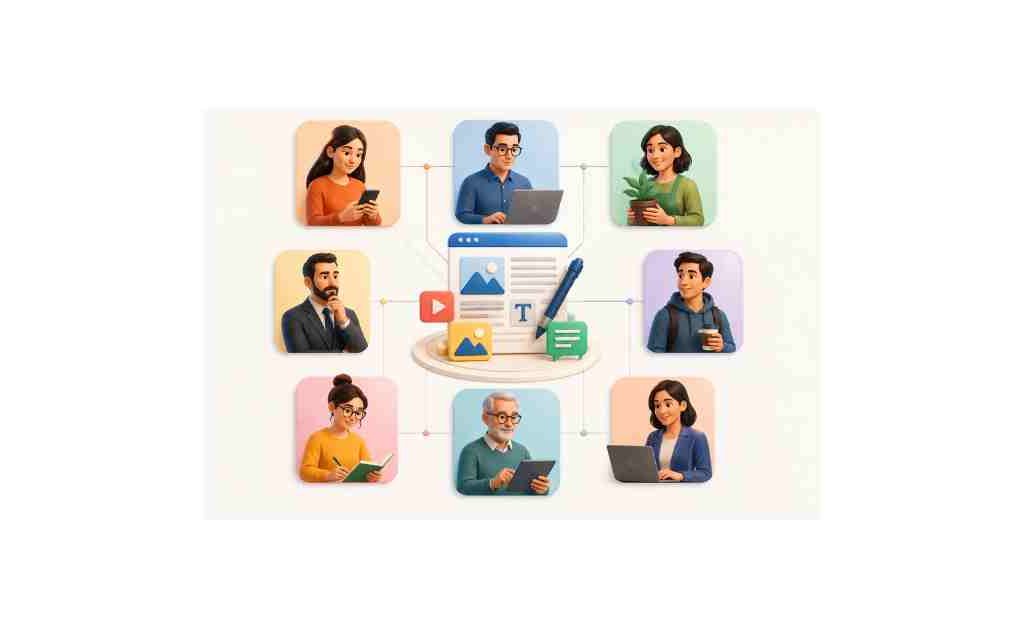
Building personas is useless without content to engage them. Use a persona-content matrix to ensure you’re creating targeted materials for each archetype.
Matrix Structure:
Create a spreadsheet with personas as rows and buyer journey stages as columns. Fill each cell with specific content ideas.
Example for Project Management SaaS:
| Persona | Awareness | Consideration | Decision |
|---|---|---|---|
| User Buyer (Project Manager) | Blog: “5 Signs Your Team Needs Better Project Management” | Webinar: “How Top PMs Save 10 Hours Per Week” | Free trial, Feature comparison guide |
| Economic Buyer (VP Operations) | Report: “The True Cost of Poor Project Visibility” | Calculator: “ROI of Centralized Project Management” | Business case template, Executive briefing |
| Technical Buyer (IT Director) | Guide: “Project Management Tool Integration Best Practices” | Whitepaper: “Security Requirements for PM Software” | API documentation, Security questionnaire |
Content Repurposing Strategy:
Create once, distribute everywhere. Turn a single research report into:
- Executive summary for Economic Buyers
- Technical appendix for Technical Buyers
- Infographic for User Buyers
- Webinar presentation for all personas
- Blog series breaking down key findings
- Social media snippets for each persona’s preferred channels
Personalization at Scale:
Use marketing automation to serve persona-specific content based on:
- Job title (from form fills or enrichment tools like Clearbit)
- Content consumption patterns (pages visited, emails opened)
- Company characteristics (size, industry, tech stack)
- Engagement stage (first visit vs. repeat visitor)
Example:
A visitor with “CFO” in their job title who reads your ROI calculator should receive:
- Email: “How [Similar Company] Reduced Operational Costs by 30%”
- Retargeting ad: “See the Business Case Template”
- Sales notification: “CFO engaging with financial content—priority follow-up”
Measuring Persona Effectiveness: Key Metrics
You can’t improve what you don’t measure. Track these metrics to evaluate whether your multi-persona strategy is working.
Engagement Metrics:
- Content consumption by persona (page views, time on page, downloads)
- Email engagement rates segmented by persona
- Webinar attendance and engagement by role
- Social media engagement by persona type
Conversion Metrics:
- Lead-to-MQL conversion rate by persona
- MQL-to-SQL conversion rate by persona
- Sales cycle length by persona mix
- Win rate by persona engagement level
Revenue Metrics:
- Average deal size by persona involvement
- Customer lifetime value by persona profile
- Expansion rate by persona champion strength
- Churn rate correlated with persona engagement
Attribution Analysis:
Use multi-touch attribution to understand which personas interact with which content before converting. You might discover that:
- Deals with Technical Buyer engagement close 20% faster
- Opportunities where all 4 personas engage have 3x higher win rates
- Economic Buyer content consumption in month 1 predicts 80% higher LTV
Use these insights to refine your persona strategy and content allocation.
Common Mistakes in B2B SaaS Persona Development
Avoid these pitfalls that undermine persona effectiveness:
Mistake 1: Creating Too Many Personas
Start with 3-4 core personas representing distinct buying roles. You can segment further later. Too many personas dilute focus and create content chaos.
Mistake 2: Relying Only on Demographics
Job title and company size are starting points, not complete personas. Psychographics, motivations, and behaviors matter more than age or location in B2B SaaS.
Mistake 3: Setting and Forgetting
Buyer behavior changes. Market conditions shift. Your product evolves. Review and update personas quarterly. Schedule annual deep-dive research to validate assumptions.
Mistake 4: Ignoring Negative Personas
Document who you DON’T want as customers. Companies too small for your pricing, industries you don’t serve well, or buyers who churn quickly. This prevents wasted marketing spend.
Mistake 5: Not Aligning Sales and Marketing
Personas fail when sales uses different language than marketing. Conduct regular enablement sessions. Share persona documents. Create sales playbooks aligned to each persona.
Mistake 6: Focusing Only on the Champion
The User Buyer is easiest to identify and engage. But neglecting the Economic Buyer or Technical Buyer creates deal paralysis. Ensure balanced content creation across all personas.
Advanced Persona Strategies for B2B SaaS Growth
Once you’ve mastered basic persona development, level up with these advanced tactics:
Account-Based Marketing (ABM) Persona Mapping
For high-value accounts, map specific individuals to persona archetypes:
- Identify the Champion through intent data and engagement
- Research the Economic Buyer on LinkedIn for priorities and pain points
- Understand the Technical Buyer’s stack through tools like BuiltWith
- Create personalized content for each stakeholder
- Coordinate multi-threaded outreach across all personas
Predictive Persona Scoring
Use machine learning to score leads based on persona fit:
- Analyze historical won/lost deals
- Identify patterns in persona engagement
- Score new leads based on similarity to successful personas
- Prioritize sales outreach based on persona strength
Persona-Based Product Development
Share persona insights with product teams:
- User Buyer feedback informs feature prioritization
- Economic Buyer concerns shape pricing and packaging
- Technical Buyer requirements drive integration roadmap
- Build products that serve all personas in the buying committee
Competitive Persona Intelligence
Research how competitors position to each persona:
- Analyze competitor content by persona type
- Identify gaps in their persona coverage
- Position against their weaknesses
- Win deals by serving underserved personas better
Your Action Plan: Implementing Multi-Persona Strategy
Week 1-2: Research Foundation
- Audit existing customer data across CRM, product analytics, and customer success platforms
- Identify 10-15 customers for JTBD interviews (mix of recent wins, losses, churns)
- Schedule interviews with sales and customer success teams
- Set up tracking to capture persona data in marketing automation
Week 3-4: Persona Development
- Conduct JTBD interviews (aim for 2-3 per day)
- Transcribe and analyze interview data for patterns
- Draft 3-4 core persona profiles
- Create persona-content matrix for top-of-funnel content
- Validate drafts with sales and customer success teams
Week 5-6: Content Creation
- Audit existing content and map to personas
- Identify gaps in persona coverage
- Create 2-3 high-impact pieces for underserved personas
- Develop persona-specific landing pages
- Set up marketing automation workflows for persona segmentation
Week 7-8: Launch and Measure
- Publish persona-targeted content
- Train sales team on persona messaging
- Implement persona tracking in analytics
- Set up dashboard for persona metrics
- Schedule monthly persona performance reviews
Ongoing: Optimize and Iterate
- Review persona metrics monthly
- Update personas quarterly based on new data
- Conduct annual deep-dive research
- Expand persona coverage as product and market evolve
- Share persona insights across organization
Conclusion: The Competitive Advantage of Multi-Persona Marketing
B2B SaaS companies that master multi-persona marketing win more deals, close faster, and retain customers longer. They understand that selling software isn’t about convincing one person—it’s about aligning an entire buying committee around a shared vision of success.
Your competitors are still creating single personas and wondering why deals stall in month 3 of the sales cycle. They’re producing generic content that resonates with no one specifically. They’re losing to vendors who speak directly to each stakeholder’s unique concerns.
You now have the framework to do better. Build personas that reflect the reality of B2B SaaS buying committees. Create content that moves each stakeholder from awareness to advocacy. Measure what matters and optimize continuously.
The companies winning in B2B SaaS aren’t those with the best features or lowest prices. They’re the ones who understand their buyers most deeply and serve them most effectively. That’s your opportunity.
Start today. Pick one persona you’ve been neglecting. Create one piece of content specifically for them. Have one conversation with sales about what buyers really want. Small actions compound into significant competitive advantage.
Your buyers are complex. Your marketing should be too.
Ready to implement your multi-persona strategy? Download our free B2B SaaS Persona Template Kit, including interview guides, persona canvases, and content matrices. Transform how you attract, engage, and convert your buying committee.