

Table of Contents
Most B2B SaaS Customer Personas companies build buyer personas wrong. They create “Marketing Mary” or “IT Ian” with demographic details that don’t actually drive revenue decisions. The problem? These personas focus on who the person is rather than how they buy, what triggers their purchase decisions, and how they influence commercial outcomes.
This guide presents a commercial framework for B2B SaaS Customer Personas that connects directly to your revenue strategy. You’ll discover the five essential personas in every SaaS buying committee, learn how to map them to pricing and sales motions, and get actionable examples you can implement immediately.
ICP vs. Buyer Persona: The Foundation
Before diving into commercial personas, you need to understand the critical distinction between your Ideal Customer Profile (ICP) and buyer personas. Confusing these two concepts leads to misaligned marketing campaigns and sales conversations that never close.
What is an Ideal Customer Profile (ICP)?
Your ICP defines the company that represents your best fit customer. It’s firmographic and technographic data that helps you identify which organizations to target.
ICP includes:
- Company size (revenue, employee count)
- Industry vertical
- Geographic location
- Technology stack
- Annual recurring revenue potential
- Growth stage (startup, scale-up, enterprise)
- Regulatory requirements (SOC2, HIPAA, GDPR)
For example, a project management SaaS might have an ICP of: “Technology companies with 50-500 employees, $10M-$100M in revenue, using Slack and Google Workspace, located in North America or Europe.”
What is a Buyer Persona?
A buyer persona defines the human within that company who influences or makes the purchasing decision.B2B SaaS Customer Personas It’s psychographic and behavioral data that helps you understand motivations, pain points, and buying triggers.
Buyer personas include:
- Job role and responsibilities
- Key performance indicators (KPIs)
- Daily challenges and frustrations
- Decision-making authority
- Information sources and trusted advisors
- Buying criteria and objections
- Preferred communication channels
Using the same project management SaaS example, within that ICP company, you might have personas like: “Sarah, the VP of Engineering who needs to improve team velocity” or “Mike, the CFO who needs to justify software spend to the board.”
Why the Distinction Matters for Commercial Strategy
Here’s where most SaaS companies fail: they build personas without connecting them back to the ICP, or they target the wrong persona within the right company.
The commercial reality:
- The ICP tells you where to fish
- The persona tells you what bait to use
- The commercial framework tells you how to close the deal
When you align ICP and personas correctly, your customer acquisition cost drops because you’re not wasting ad spend on companies that will never buy or conversations with people who can’t sign the check.
The Commercial Persona Framework
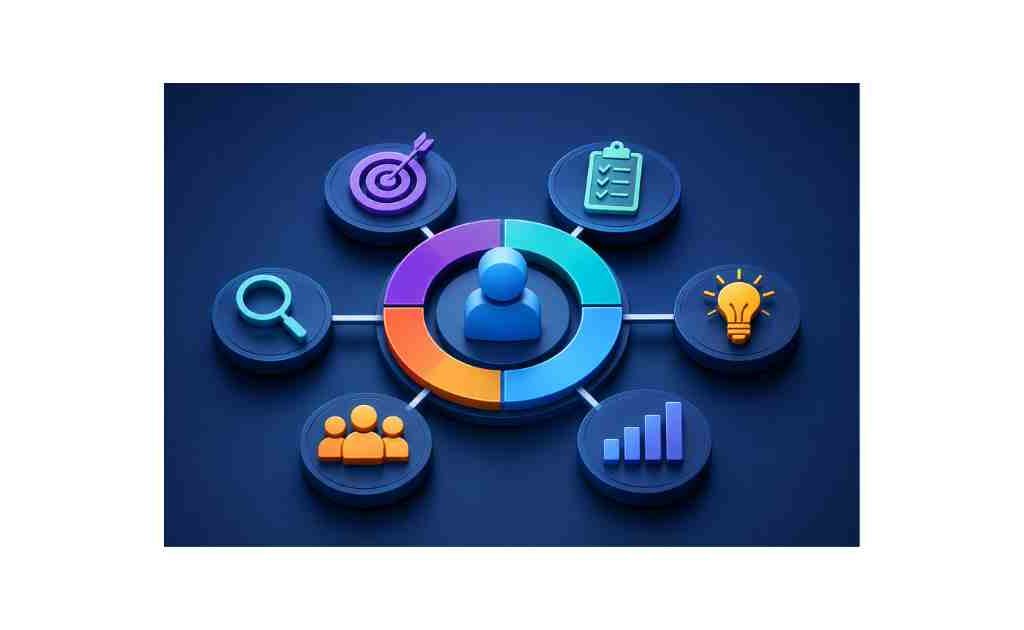
Traditional buyer personas focus on demographics and firmographics. Commercial personas go deeper—they map the psychological and economic triggers that drive purchasing decisions in B2B SaaS Customer Personas environments.
This framework evaluates every persona across three critical dimensions that directly impact your revenue: operational needs, financial authority, and technical requirements.
Dimension 1: Operational Impact
The operational dimension examines how the persona interacts with your solution on a daily basis. This isn’t just about feature usage—it’s about understanding how your product fits into their workflow and what success looks like from their perspective.
Key questions to answer:
- What specific problem are they trying to solve?
- How do they currently handle this problem (manual processes, spreadsheets, legacy tools)?
- What does a “win” look like for them in the first 30, 60, and 90 days?
- Which features are non-negotiable versus nice-to-have?
- How will they measure adoption and success with their team?
Commercial implication: Operational personas drive product-led growth strategies. If you’re targeting end users who can self-serve and experience value before talking to sales, your pricing model should reflect low-friction entry points with clear upgrade paths.
Dimension 2: Financial Authority
The financial dimension maps the economic relationship between the persona and the purchase. Not everyone in the buying committee has the same relationship to budget, ROI, and procurement.
Key questions to answer:
- Do they control the budget, influence it, or simply request it?
- What’s their approval threshold (can they sign for $5K, $50K, or do they need board approval)?
- How do they calculate ROI (cost savings, revenue generation, risk mitigation)?
- What’s their fiscal year cycle and budget planning timeline?
- Are they evaluated on cost reduction or value creation?
Commercial implication: Financial personas determine your pricing strategy and sales cycle length. If you’re selling to someone who needs board approval, your sales motion requires executive sponsorship, detailed business cases, and longer nurturing sequences.
Dimension 3: Technical Evaluation
The technical dimension identifies how the persona evaluates security, compliance, integration, and scalability. In modern B2B SaaS Customer Personas purchases, technical evaluation often happens in parallel with commercial negotiations, not after.
Key questions to answer:
- What security certifications do they require (SOC2 Type II, ISO 27001, HIPAA)?
- Which systems must you integrate with (Salesforce, Workday, ServiceNow)?
- What’s their data residency and privacy requirements?
- How do they evaluate vendor risk and due diligence?
- Who has veto power on technical grounds?
Commercial implication: Technical personas can accelerate or kill deals regardless of operational fit or financial approval. If you don’t have the right compliance certifications or API capabilities, you won’t pass procurement—even if the end user loves your product.
The 5 Essential B2B SaaS Personas (With Real Examples)

Modern B2B SaaS Customer Personas purchases involve buying committees, not individual decision-makers. Research from Gartner shows that B2B buying groups include 6-10 stakeholders on average. Each plays a distinct role in the commercial process.
Here are the five personas you must understand, with specific examples of how they evaluate and purchase SaaS solutions.
Persona 1: The Champion (The Internal Seller)
Who they are: The Champion is the person who experiences the pain point most acutely and takes it upon themselves to find a solution. They’re not usually the budget holder, but they’re the most motivated to make a change happen.
Typical titles: Product Manager, Marketing Manager, Sales Operations Manager, HR Business Partner
Example: Jennifer, Senior Marketing Operations Manager at a mid-market SaaS company
Jennifer spends 15 hours per week manually pulling data from Google Analytics, HubSpot, and Salesforce to create executive reports. She knows there has to be a better way, but her company uses disparate tools that don’t talk to each other.
Her goals:
- Automate reporting to save 10+ hours per week
- Provide real-time visibility into marketing ROI
- Reduce errors from manual data entry
- Look proactive and strategic to her VP
Her fears:
- Wasting budget on a tool that doesn’t integrate properly
- Getting blamed if data migration goes wrong
- Choosing a solution that requires extensive training her team won’t adopt
Commercial triggers:
- Free trial or freemium model that lets her test the solution without procurement involvement
- Case studies from similar companies showing specific time savings
- ROI calculator that quantifies hours saved × her hourly rate
- Integration documentation showing native connections to her existing stack
How to sell to Champions:
- Offer self-serve onboarding with minimal friction
- Provide “internal sell kits” with slide decks and email templates they can use to get buy-in
- Create content that validates their pain (e.g., “The Hidden Cost of Manual Reporting”)
- Enable easy upgrade paths when they’re ready to expand
Persona 2: The Economic Buyer (The Decision Maker)
Who they are: The Economic Buyer controls the budget and has final sign-off authority. They may not use the product daily, but they’re accountable for the business outcomes it’s supposed to deliver.
Typical titles: VP, Director, CFO, COO, CMO
Example: David, VP of Marketing at a Series B SaaS startup
David owns the $2M marketing budget and is under pressure to demonstrate pipeline contribution. He’s evaluated on CAC payback period and marketing-sourced revenue. He doesn’t care about features—he cares about outcomes.
His goals:
- Reduce customer acquisition cost by 20%
- Increase marketing-sourced pipeline by 35%
- Improve visibility into channel performance
- Justify marketing spend to the CFO and board
His fears:
- Making a $50K investment that doesn’t move the needle
- Getting locked into a long-term contract with a vendor that underdelivers
- Disrupting the team with a complex implementation
Commercial triggers:
- Executive business reviews showing strategic alignment
- ROI models tied to his specific KPIs (CAC, pipeline velocity)
- Flexible contract terms (monthly or quarterly vs. annual)
- References from VPs at similar-stage companies
How to sell to Economic Buyers:
- Lead with business outcomes, not product features
- Provide executive-level dashboards that show ROI
- Offer pilot programs with clear success criteria
- Create content around strategic topics (e.g., “How to Calculate Marketing ROI in 2026”)
- Understand their fiscal year and budget cycles
Persona 3: The End User (The Daily Operator)
Who they are: End Users interact with your product every day. They may not have purchasing authority, but they have immense influence over retention and expansion. If they don’t adopt the tool, the Economic Buyer will cancel at renewal.
Typical titles: Individual contributors, coordinators, analysts, specialists
Example: Alex, Content Marketing Specialist
Alex is the person actually logging into the marketing analytics platform daily. He’s evaluated on content performance and needs to quickly see which blog posts drive conversions. He’s frustrated by clunky interfaces and slow load times.
His goals:
- Access data quickly without waiting for reports
- Create visualizations he can share with stakeholders
- Identify which content topics resonate with the audience
- Spend less time in tools and more time creating
His fears:
- Steep learning curve that slows him down
- Tool becoming another “shelfware” subscription
- Losing data or having to manually export/import
Commercial triggers:
- Intuitive user interface with minimal training required
- Mobile accessibility for checking metrics on the go
- Collaboration features for sharing insights with the team
- Templates and pre-built dashboards
How to sell to End Users:
- Invest in product-led growth and self-serve onboarding
- Create video tutorials and in-app guidance
- Build features that make their daily work easier (not just reporting features for managers)
- Gather feedback through NPS surveys and user interviews
- Track product usage data to identify adoption risks
Persona 4: The Technical Evaluator (The Gatekeeper)
Who they are: Technical Evaluators assess security, compliance, integration capabilities, and scalability. They often have veto power, even if they’re not the primary buyer. In enterprise deals, this persona is critical.
Typical titles: IT Director, CTO, CISO, Solutions Architect, DevOps Lead
Example: Priya, Director of IT Security
Priya doesn’t care about marketing analytics. She cares about whether your SaaS platform has SOC2 Type II certification, encrypts data at rest and in transit, and complies with GDPR. She evaluates dozens of vendors per year and has a standardized security questionnaire.
Her goals:
- Ensure data security and regulatory compliance
- Minimize vendor risk and potential breaches
- Maintain a clean, integrated tech stack
- Avoid shadow IT and unauthorized tools
Her fears:
- Data breach from a third-party vendor
- Compliance violations resulting in fines
- Integration complexity creating technical debt
- Vendor lock-in with poor API documentation
Commercial triggers:
- Security certifications (SOC2, ISO 27001, HIPAA)
- Comprehensive API documentation and webhook support
- Single Sign-On (SSO) and SAML integration
- Data residency options (US, EU, APAC servers)
- Clear data processing agreements (DPA)
How to sell to Technical Evaluators:
- Create a dedicated security page on your website with certifications
- Provide detailed technical documentation and API references
- Offer security reviews and architecture calls early in the sales process
- Be transparent about uptime SLAs and disaster recovery procedures
- Don’t oversell—technical buyers value honesty over hype
Persona 5: The Executive Sponsor (The Visionary)
Who they are: Executive Sponsors are C-level leaders who champion strategic initiatives. They may not be involved in day-to-day evaluation, but they provide the political cover and budget approval for transformational purchases.
Typical titles: CEO, CRO, CMO, CIO
Example: Marcus, Chief Revenue Officer
Marcus is focused on scaling revenue from $20M to $50M over the next 18 months. He’s evaluating whether investing in a new revenue intelligence platform aligns with the company’s growth strategy. He needs to present the business case to the board.
His goals:
- Achieve aggressive revenue growth targets
- Improve forecast accuracy and pipeline visibility
- Scale the sales organization efficiently
- Build a competitive moat through technology
His fears:
- Missing revenue targets and disappointing investors
- Making a large investment that doesn’t scale
- Disrupting sales team productivity during implementation
- Choosing the wrong strategic partner
Commercial triggers:
- Strategic alignment with company OKRs
- Competitive differentiation and market positioning
- Scalability to support 3-5 year growth plans
- Executive-level partnerships and advisory relationships
- Industry thought leadership and vision
How to sell to Executive Sponsors:
- Speak their language: strategy, growth, competitive advantage
- Provide board-ready business cases and ROI models
- Share vision content (keynotes, analyst reports, strategic frameworks)
- Facilitate executive-to-executive conversations
- Demonstrate understanding of their industry dynamics
Mapping Personas to Commercial Strategy
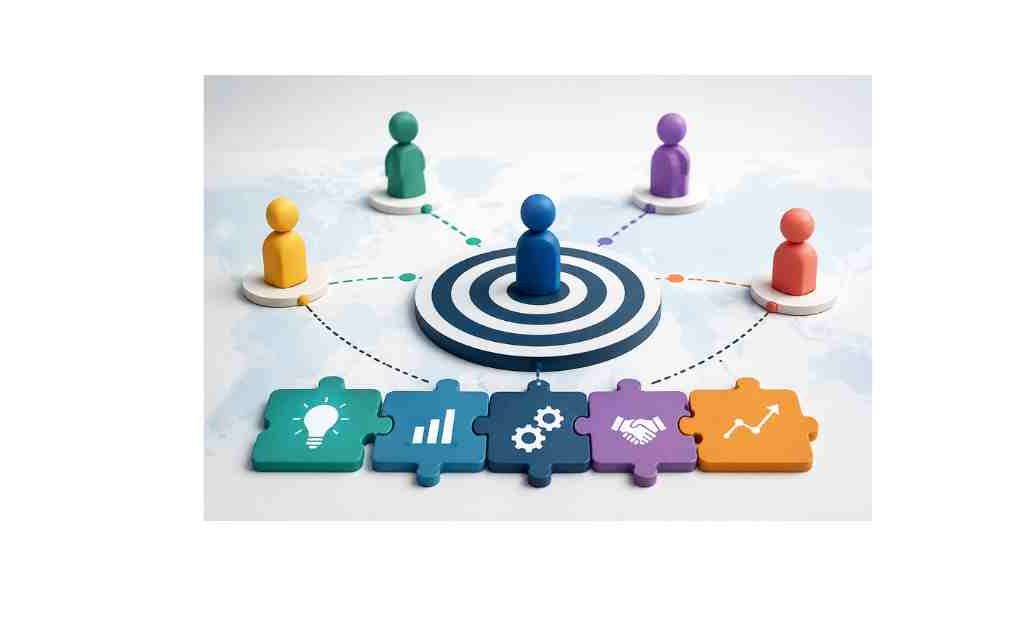
Understanding personas is useless if you don’t connect them to your go-to-market strategy. Here’s how to align each persona with specific commercial motions.
Pricing Strategy by Persona
Product-Led Growth (PLG) Pricing:
- Target persona: End Users and Champions
- Model: Freemium or free trial with self-serve upgrade
- Price point: $0-$99/month for initial tier
- Example: Slack, Notion, Figma
Sales-Led Pricing:
- Target persona: Economic Buyers and Executive Sponsors
- Model: Custom pricing with annual contracts
- Price point: $10K-$100K+ annually
- Example: Salesforce, Workday, ServiceNow
Hybrid Pricing:
- Target persona: All personas (start with End User, expand to Economic Buyer)
- Model: Self-serve entry point with enterprise upgrade path
- Price point: $49/month to $50K/year
- Example: HubSpot, Zoom, Atlassian
Key insight: Your pricing model should match the persona who initiates the purchase. If Champions start the process but Economic Buyers sign the check, you need transparent pricing for Champions and flexible enterprise terms for Economic Buyers.
Sales Motion by Persona
Self-Serve Motion:
- Persona focus: End Users
- Sales involvement: None or minimal (chat support)
- Cycle length: Minutes to days
- Key metrics: Activation rate, time-to-value, conversion to paid
Inside Sales Motion:
- Persona focus: Champions and mid-market Economic Buyers
- Sales involvement: SDR qualification + AE demo
- Cycle length: 2-6 weeks
- Key metrics: Lead-to-opportunity conversion, demo-to-close rate
Field Sales Motion:
- Persona focus: Economic Buyers, Technical Evaluators, Executive Sponsors
- Sales involvement: Multi-threaded sales team (AE, SE, CSM)
- Cycle length: 3-9 months
- Key metrics: Pipeline velocity, win rate, average contract value
Channel/Partner Motion:
- Persona focus: Economic Buyers in specific verticals
- Sales involvement: Partner-led with vendor support
- Cycle length: Varies by partner
- Key metrics: Partner-sourced revenue, partner enablement effectiveness
Content Strategy by Persona
Awareness Stage:
- Champion: Blog posts about specific pain points (“5 Signs Your Reporting Process is Broken”)
- Economic Buyer: Industry reports and trend analysis (“The State of Marketing ROI in 2026”)
- End User: How-to guides and tutorials (“How to Build a Dashboard in 10 Minutes”)
- Technical Evaluator: Technical whitepapers and security documentation
- Executive Sponsor: Thought leadership and vision content (“The Future of Revenue Operations”)
Consideration Stage:
- Champion: Comparison guides and ROI calculators
- Economic Buyer: Case studies with quantified results
- End User: Product demos and feature deep-dives
- Technical Evaluator: API documentation and integration guides
- Executive Sponsor: Analyst reports (Gartner, Forrester) and executive briefings
Decision Stage:
- Champion: Free trial access and onboarding checklists
- Economic Buyer: Custom proposals and business case templates
- End User: Training resources and certification programs
- Technical Evaluator: Security questionnaires and compliance certifications
- Executive Sponsor: Executive alignment meetings and strategic roadmaps
How to Build Your Personas (Data-Driven Approach)

Stop guessing what your personas want. Use these data sources to build evidence-based personas that reflect reality, not assumptions.
Source 1: CRM and Revenue Data
Your existing customers are your best persona research. Analyze:
Win/loss analysis:
- Which personas are present in won deals vs. lost deals?
- What objections did each persona raise?
- How long did deals take with different persona combinations?
Expansion patterns:
- Which personas drive upsells and cross-sells?
- What features do high-LTV customers use most?
- Which job titles appear most frequently in your top 20% accounts?
Action: Export your top 50 customers and bottom 50 customers. Compare the personas involved, deal size, and time-to-close. Look for patterns.
Source 2: Sales Call Intelligence
Tools like Gong, Chorus, and Avoma record and analyze your sales calls. Use them to identify:
Language patterns:
- What words do Champions use vs. Economic Buyers?
- What questions do Technical Evaluators ask repeatedly?
- What objections kill deals at the executive level?
Buying signals:
- Which phrases indicate strong intent (“We need to solve this by Q3”)?
- What concerns indicate risk (“We’ve been burned by vendors before”)?
- How do different personas talk about ROI?
Action: Review 20 won deals and 20 lost deals. Tag conversations by persona and identify the top 3 concerns for each.
Source 3: Customer Success Data
Your Customer Success team has direct access to End Users and Champions post-sale. Gather:
Adoption metrics:
- Which personas drive product usage?
- What features correlate with retention?
- When do accounts become at-risk, and which persona is involved?
Support tickets:
- What problems do End Users encounter most?
- What questions do Technical Evaluators ask during implementation?
- What feedback do Champions provide about business impact?
Action: Interview your top 3 CSMs. Ask them: “What makes a customer successful vs. likely to churn?” Map their answers to specific personas.
Source 4: Market Research and Competitive Intelligence
Look outside your customer base to understand broader market dynamics:
Competitor analysis:
- Which personas do competitors target?
- What messaging resonates with Economic Buyers in your category?
- Where are competitors winning/losing deals?
Industry research:
- What trends affect your personas’ priorities (e.g., remote work, AI adoption)?
- How do buying patterns differ by company size or vertical?
- What external factors influence budget decisions?
Action: Review Gartner, Forrester, and industry-specific analyst reports. Identify shifts in persona priorities and adjust your messaging accordingly.
Source 5: Direct Persona Interviews
Nothing replaces talking directly to your personas. Conduct structured interviews:
For Champions:
- “Walk me through how you identified the need for [solution category]”
- “What was your biggest concern about making this purchase?”
- “How did you build the business case?”
For Economic Buyers:
- “What criteria did you use to evaluate vendors?”
- “How did you calculate ROI?”
- “What almost prevented you from moving forward?”
For End Users:
- “What does your typical day look like?”
- “What frustrates you about your current tools?”
- “What would make your job easier?”
For Technical Evaluators:
- “What security requirements are non-negotiable?”
- “How do you evaluate integration complexity?”
- “What would make you veto a vendor?”
For Executive Sponsors:
- “How does this purchase align with company strategy?”
- “What outcomes would make this investment successful?”
- “What risks concern you most?”
Action: Schedule 5-10 interviews per persona. Record them (with permission) and transcribe key quotes. Use actual customer language in your marketing materials.
B2B SaaS Customer Personas Template
Use this template to document each persona consistently. Keep it to one page—personas should be actionable, not academic.
Persona Name and Role
- Name: (Make it memorable, e.g., “Champion Chris”)
- Job Title: (Specific titles, not generic roles)
- Department: (Where they sit in the organization)
- Reports To: (Who influences their decisions)
Commercial Profile
- Budget Authority: (Control, influence, or request?)
- Approval Threshold: ($ amount they can sign for)
- Buying Timeline: (Days/weeks/months to decision)
- Decision Criteria: (Top 3 factors in vendor selection)
Operational Profile
- Key Responsibilities: (What they’re measured on)
- Daily Challenges: (Top 3 pain points)
- Current Solution: (How they solve this problem now)
- Success Metrics: (How they define “winning”)
Technical Profile
- Required Integrations: (Systems they must connect to)
- Security Requirements: (Compliance certifications needed)
- Technical Skills: (Their comfort level with new tools)
- Evaluation Process: (How they test and validate solutions)
Messaging and Content
- Value Proposition: (One sentence that resonates with this persona)
- Key Objections: (Top 3 concerns you must address)
- Preferred Channels: (Where they consume information)
- Content Types: (What formats they engage with)
Sales Approach
- Initial Outreach: (How to start the conversation)
- Demo Focus: (What to emphasize in product demos)
- Proof Points: (Case studies, metrics, or references that resonate)
- Closing Strategy: (How to move them to decision)
Common Persona Mistakes to Avoid
Even with good intentions, companies make these critical errors:
Mistake 1: Creating Too Many Personas
You don’t need 12 personas. Focus on the 3-5 that drive 80% of your revenue. More personas create confusion, not clarity.
Fix: Analyze your customer base and identify which personas appear most frequently in won deals. Deprioritize the rest.
Mistake 2: Relying on Demographics
Age, gender, and location don’t predict B2B purchasing behavior. A 28-year-old VP of Marketing and a 52-year-old VP of Marketing have more in common with each other than with individual contributors in their own companies.
Fix: Focus on psychographics (goals, fears, motivations) and behavioral data (how they buy, what they value).
Mistake 3: Not Updating Personas
Personas evolve as markets shift, new competitors emerge, and customer needs change. A persona created in 2020 doesn’t reflect the reality of 2026.
Fix: Review and update personas quarterly. Incorporate new win/loss data, customer feedback, and market research.
Mistake 4: Building Personas in Isolation
Marketing creates personas, then hands them to Sales, who ignores them. This siloed approach guarantees failure.
Fix: Build personas collaboratively with input from Sales, Customer Success, Product, and actual customers. Make them living documents accessible to the entire organization.
Mistake 5: Not Connecting Personas to Revenue
Personas that don’t influence pricing, product development, or sales strategy are just marketing artifacts.
Fix: For each persona, define specific actions: “We will create X content for Champions,” “We will train Sales on Y objection handling for Economic Buyers,” “We will build Z feature for End Users.”
Measuring Persona Effectiveness
How do you know if your personas are working? Track these metrics:
Marketing Metrics:
- Lead quality by persona (do Champion leads convert better than generic leads?)
- Content engagement by persona (which assets resonate with Economic Buyers?)
- Cost per acquisition by persona (which personas are most efficient to acquire?)
Sales Metrics:
- Win rate by persona combination (do deals with Technical Evaluators engaged early close faster?)
- Sales cycle length by persona (which personas accelerate or slow deals?)
- Average contract value by persona (which personas expand to larger deals?)
Customer Success Metrics:
- Product adoption by persona (which personas drive usage?)
- Retention rate by persona (which personas correlate with low churn?)
- Expansion revenue by persona (which personas identify upsell opportunities?)
Action: Set up dashboards in your CRM and marketing automation platform to track these metrics by persona. Review monthly and adjust your strategy based on what the data shows.
The Bottom Line
B2B SaaS customer personas aren’t about creating fictional characters with stock photos and made-up names. They’re about understanding the commercial dynamics of your buying committee and aligning your entire organization—from product development to pricing to sales to marketing—around the people who actually make purchasing decisions.
The companies that win in 2026 aren’t those with the best features or the lowest prices. They’re the ones who deeply understand their personas’ operational needs, financial constraints, and technical requirements—and build commercial strategies that address all three dimensions.
Start with one persona. Interview five customers. Analyze your win/loss data. Build a commercial framework that connects personas to revenue. Then scale what works.
Your personas are living documents, not static PDFs. Update them quarterly. Test your assumptions. Measure the impact. And always, always tie them back to commercial outcomes.
Because in B2B SaaS, personas that don’t drive revenue are just expensive art projects.