

Table of Contents
A B2B SaaS company can have a great product, competitive pricing, and a technically impressive website—and still struggle to generate qualified demand.
One common reason is surprisingly simple: the company does not have a precise understanding of who actually buys the product, why they buy it, what makes them hesitate, and what information they need before saying yes.
This is where a buyer persona becomes valuable.
A useful B2B SaaS buyer persona is not a fictional profile containing a person’s age, favorite social network, and generic career goals. It is a research-backed model of a real buying role that helps marketing, sales, product, and customer-success teams understand how a specific type of buyer thinks and behaves.
That distinction matters because SaaS purchases are rarely made by one person acting independently. A marketing manager may discover the software, a department head may evaluate it, an IT professional may assess security and integrations, finance may review the commercial case, and an executive may approve the budget.
So, if your SaaS company is targeting “business owners” or “marketing professionals” as one broad audience, your messaging may be too vague to influence the people involved in an actual purchase.
Google’s current guidance for Search and its generative AI experiences also emphasizes unique, useful, people-first content rather than commodity material created primarily for rankings. (Google for Developers)
This guide explains how to create a buyer persona for B2B SaaS Buyer Persona using customer evidence, buying behavior, pain points, triggers, objections, and decision criteria—and how to turn that research into marketing and sales opportunities.
What Is a B2B SaaS Buyer Persona?

A B2B SaaS buyer persona is a research-based representation of a specific person or role involved in purchasing a software product.
For example, imagine a SaaS company selling workflow automation software to growing businesses.
Its ideal customer might be:
Technology companies with 50–500 employees, distributed teams, multiple operational workflows, and a growing need to automate repetitive processes.
That describes the Ideal Customer Profile (ICP).
But the ICP does not tell you who inside those companies will evaluate the product.
The buyer persona might be:
Operations Olivia — Operations Manager at a 100–300-person technology company. She is responsible for improving internal workflows, reducing manual work, and demonstrating operational efficiency to leadership.
Now the company has something actionable.
You can investigate:
- What processes frustrate Olivia?
- What software does she currently use?
- What causes her to search for a new solution?
- What would make her reject a SaaS vendor?
- Which metrics does she need to improve?
- Who needs to approve her purchase?
- What questions does she ask during evaluation?
- What evidence does she need to justify the investment?
That is the difference between a decorative persona and a commercially useful persona.
Buyer Persona vs. ICP: What’s the Difference?

One of the biggest mistakes B2B SaaS Buyer Persona companies make is treating an ICP and buyer persona as the same thing.
They are connected, but they answer different questions.
ICP answers:
“Which companies are the best fit for our product?”
An ICP may include:
- Industry
- Employee count
- Revenue
- Geography
- Business model
- Growth stage
- Technology stack
- Existing software
- Operational complexity
- Business maturity
Buyer persona answers:
“Who inside those companies is involved in buying, and what influences their decision?”
A buyer persona includes:
- Job role
- Responsibilities
- Goals
- Pain points
- Buying triggers
- Objections
- Evaluation criteria
- Information sources
- Internal influence
- Desired outcomes
Think about it this way:
ICP = the account.
Buyer persona = the person or role inside the account.
A SaaS company needs both.
Targeting the correct marketing manager at the wrong type of company can still produce poor results. Likewise, identifying the perfect company but communicating with the wrong stakeholder can stall the deal.
Why B2B SaaS Buyer Persona Companies Need Detailed

A detailed buyer persona can influence almost every stage of the SaaS growth process.
1. Better Positioning
Your product may have dozens of features, but your buyer is not necessarily interested in all of them.
For example, an analytics platform may have:
- Custom dashboards
- API access
- Automated reporting
- Data exports
- Role-based permissions
- Integrations
- Alerts
A marketing manager may care about campaign reporting.
An operations manager may care about process visibility.
An IT manager may care about security and integration architecture.
An executive may care about business impact and ROI.
The product has not changed.
The buyer’s definition of value has changed.
2. More Relevant Content
Without personas, SaaS content often becomes a collection of broad topics such as:
- What is SaaS?
- What is automation?
- Benefits of CRM software
- Why businesses need analytics
- Digital transformation trends
These topics may attract traffic, but they do not necessarily address a specific buying problem.
A research-backed persona allows you to create content around actual customer questions.
For example:
Weak topic:
“Benefits of Workflow Automation”
Persona-focused topic:
“How Operations Managers Can Automate Approval Workflows Without Replacing Their Existing Tools”
The second topic has a clearer audience, problem, context, and commercial connection.
3. Better Lead Qualification
Personas help sales teams identify whether a prospect’s situation matches the problems your product solves.
Instead of asking only:
“Does this company want software?”
the team can ask:
“Does this prospect experience the operational problem our product was designed to solve?”
That produces more meaningful qualification.
4. Stronger Sales Conversations
Sales representatives can tailor conversations around the buyer’s priorities.
A CFO may ask:
- What is the financial impact?
- How quickly will we see ROI?
- What are the total costs?
An IT manager may ask:
- Does it integrate with our existing stack?
- How is data secured?
- What authentication methods are supported?
A department manager may ask:
- Will my team actually use it?
- How long does implementation take?
- What workflows can we automate?
One generic sales pitch cannot effectively answer all three.
How to Create a B2B SaaS Buyer Persona

The following process turns customer information into a usable persona.
Step 1: Start With Your ICP
Do not start by inventing a fictional buyer.
Start with the companies that already represent your best customers.
Analyze your existing customer base and identify patterns.
Look for:
- Company size
- Industry
- Revenue range
- Growth stage
- Geography
- Technology stack
- Number of users
- Product usage
- Customer lifetime value
- Retention
- Expansion revenue
- Sales cycle length
Then ask:
Which customer segments produce the strongest commercial outcomes?
Your most valuable customers are usually more informative than your largest list of prospects.
For example, suppose your SaaS product has 500 customers.
You might discover that companies with 100–300 employees:
- Activate faster
- Use more features
- Have higher retention
- Require less support
- Expand more frequently
That segment deserves deeper persona research.
Step 2: Identify the Buying Committee
B2B SaaS Buyer Personapurchases often involve multiple stakeholders. Current SaaS persona research similarly emphasizes mapping the buying committee rather than treating one individual as the entire customer. (Factors)
Map everyone who can influence the purchase.
The User
Uses the product regularly.
Their priorities may include:
- Ease of use
- Productivity
- Speed
- Workflow improvement
The Champion
Believes the product can solve the problem and advocates internally.
They may need:
- Evidence
- Case studies
- ROI arguments
- Internal presentation material
The Decision-Maker
Has authority to approve the purchase.
They care about:
- Business outcomes
- Strategic fit
- Risk
- Budget
The Economic Buyer
Controls or influences financial approval.
They may focus on:
- Cost
- ROI
- Payback period
- Contract terms
The Technical Evaluator
Often from IT, security, or engineering.
They may evaluate:
- Security
- Integrations
- APIs
- Data architecture
- Authentication
- Compliance
- Reliability
The Gatekeeper
Controls access, procurement, or approval processes.
The key point is simple:
Do not create one persona when your sales process clearly involves several different stakeholders.
Step 3: Interview Existing Customers

Customer interviews are one of the most valuable sources of persona information because they reveal the language and circumstances behind actual purchases.
Do not ask:
“What do you think about our product?”
That usually produces polite, generic feedback.
Ask questions about the customer’s situation before, during, and after the purchase.
Before purchase
- What problem were you trying to solve?
- How were you solving it before?
- What wasn’t working?
- What made the problem urgent?
- Who first noticed the problem?
- What triggered the search for a solution?
During evaluation
- Which alternatives did you consider?
- What other vendors did you compare?
- What features mattered most?
- What concerns did you have?
- Who else participated in the decision?
- What information did you need before purchasing?
After purchase
- What changed after implementation?
- Which outcome mattered most?
- Which features became essential?
- What did you expect that the product did not deliver?
- What would make you recommend the product?
The objective is not to collect compliments.
The objective is to understand the buying process.
Step 4: Interview Lost Leads
Lost deals can be even more useful than successful deals.
Suppose your sales team believes prospects reject the product because of price.
You interview lost opportunities and discover that price was not the real issue.
The real problem was:
“We couldn’t justify changing our existing workflow for a 5% efficiency improvement.”
That changes your marketing strategy.
Instead of publishing more pricing content, you may need:
- ROI calculators
- Migration guides
- Before-and-after workflow examples
- Implementation timelines
- Case studies with measurable outcomes
Ask lost prospects:
- Why did you decide not to purchase?
- What alternative did you choose?
- What was missing?
- What made the competing option more attractive?
- What concerns prevented approval?
- Was implementation a concern?
- Was price actually the deciding factor?
- What evidence would have changed your decision?
Step 5: Analyze Sales Calls
Your sales team already has a large collection of buyer research.
It is sitting inside:
- Discovery calls
- Demo calls
- Emails
- CRM notes
- Objection logs
- Proposal discussions
- Win/loss reviews
Look for repeated language.
Create categories such as:
| Research Signal | What to Capture |
|---|---|
| Pain | Problems customers describe |
| Trigger | Events that create urgency |
| Goal | Desired business outcome |
| Objection | Reasons for hesitation |
| Alternative | What they use instead |
| Decision criteria | How they compare vendors |
| Stakeholder | Who influences the decision |
| Evidence | What they need to believe you |
If 15 prospects independently describe the same problem using similar language, that phrase deserves attention.
It can influence your:
- Headlines
- Landing pages
- Blog titles
- Sales scripts
- Ad copy
- Email campaigns
Step 6: Identify Pain Points Behind the Pain
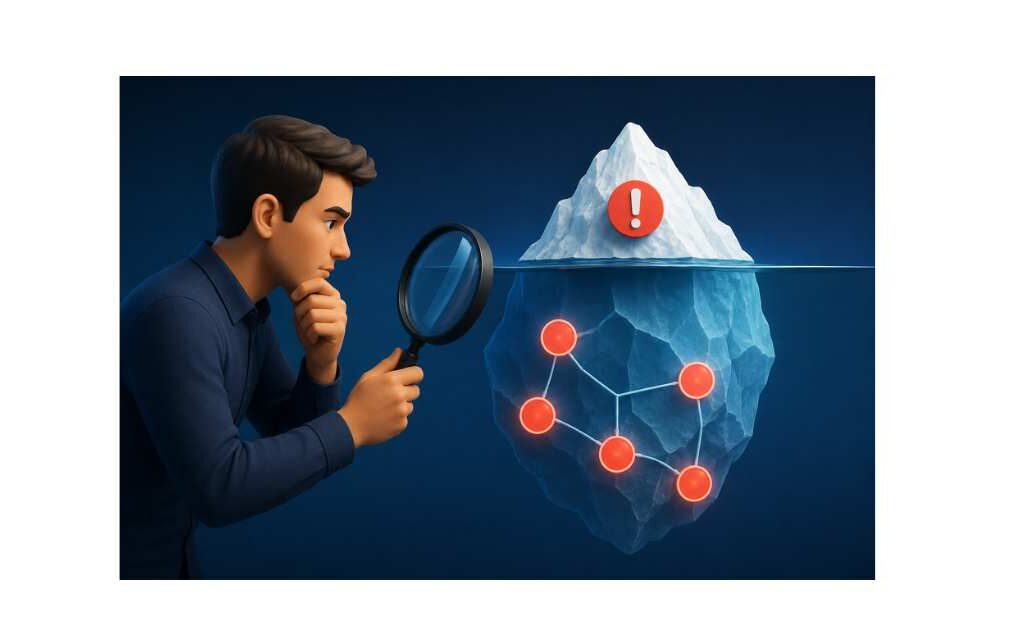
Do not stop at surface-level problems.
For example:
Surface pain:
“We spend too much time creating reports.”
Ask why that matters.
Operational impact:
“Managers spend several hours every week collecting information.”
Ask again.
Business impact:
“Leadership receives reports late, making it difficult to identify underperforming accounts.”
Now the persona has a deeper problem.
The real value proposition may not be:
“Automated reporting.”
It may be:
“Give leadership timely visibility without requiring managers to manually assemble weekly reports.”
That is much stronger positioning.
Step 7: Identify Buying Triggers
A pain point does not automatically create a purchase.
The prospect may tolerate the problem for months.
A buying trigger is the event that makes solving the problem important now.
Examples include:
- Rapid growth
- New leadership
- Expansion into new markets
- Team restructuring
- Increased customer volume
- New compliance requirements
- Existing software contract renewal
- Rising software costs
- Manual processes becoming unmanageable
- Poor performance from an existing vendor
- A failed internal project
- New revenue targets
For SaaS marketing, buying triggers are especially useful because they can become the foundation for high-intent content.
For example:
Trigger: Company grows from 50 to 200 employees.
Problem: Existing manual approval processes become difficult to manage.
Search behavior: “How to automate approval workflows for growing teams.”
Content opportunity: “How to Automate Approval Workflows as Your Team Scales.”
That is a much stronger content strategy than simply targeting the keyword “workflow automation.”
Step 8: Understand Buying Criteria
Every persona evaluates SaaS products differently.
Create a ranked list of decision criteria.
For example, an IT-focused persona may rank:
- Security
- Integration
- Reliability
- Administration
- Support
- Price
A marketing persona may rank:
- Ease of use
- Reporting
- Automation
- Integrations
- Collaboration
- Price
This gives your marketing team an important insight:
The same product needs different proof for different buyers.
Step 9: Document Objections
Objections are not merely sales problems.
They are content opportunities.
Suppose prospects repeatedly say:
“We are worried implementation will take too long.”
Create:
- Implementation guide
- Migration checklist
- Integration documentation
- Customer case study
- Implementation timeline
- Demo showing setup
- FAQ addressing migration
If prospects say:
“We already use another platform.”
Create:
- Competitor comparison
- Migration guide
- Switching-cost analysis
- Integration explanation
- “When to replace your current platform” article
The best SaaS content often answers the questions sales teams hear repeatedly.
Step 10: Understand Where Buyers Research
Modern B2B buyers do not necessarily move from advertisement → website → demo.
They may research through:
- AI search tools
- Industry communities
- Review platforms
- YouTube
- Podcasts
- Peer recommendations
- Vendor documentation
- Comparison pages
- Customer case studies
Your persona should therefore include:
Where do they learn?
and:
What do they search for at each stage?
For example:
Problem awareness
“How to reduce manual sales reporting”
Solution research
“Sales reporting automation software”
Vendor evaluation
“Salesforce reporting automation alternatives”
Commercial evaluation
“Sales reporting software pricing”
Risk evaluation
“Is [product category] secure?”
This creates a direct connection between persona research and SEO strategy.
Step 11: Build the Persona Around Jobs-to-Be-Done
A useful persona should describe the job the buyer is trying to accomplish.
Consider a marketing operations manager.
Their job is not simply:
“Buy marketing automation software.”
Their actual job may be:
“Create a reliable lead-management process that allows the marketing team to generate and route qualified leads without increasing manual workload.”
That job contains:
- Situation
- Motivation
- Desired outcome
- Constraints
- Success criteria
This makes the persona more useful for product marketing and messaging.
Step 12: Build the Actual B2B SaaS Buyer Persona
After collecting the research, organize it into a practical profile.
Example: B2B SaaS Buyer Persona
Persona
Growth-Focused Marketing Manager
Company
B2B SaaS Buyer Personacompany with 50–250 employees.
Responsibilities
- Demand generation
- Campaign performance
- Lead management
- Marketing reporting
- Pipeline contribution
Primary Goals
- Generate more qualified opportunities
- Improve campaign efficiency
- Prove marketing ROI
- Reduce manual reporting
Main Problems
- Disconnected marketing tools
- Poor lead visibility
- Manual reporting
- Inconsistent lead handoffs
Buying Triggers
- New revenue targets
- Marketing team expansion
- CRM migration
- Poor reporting visibility
- Increasing lead volume
Buying Criteria
- CRM integration
- Automation
- Reporting
- Ease of implementation
- Scalability
Main Objections
- Implementation complexity
- Cost
- Internal adoption
- Switching from existing software
Information Needed
- Case studies
- Product demonstrations
- ROI evidence
- Integration documentation
- Pricing information
- Customer reviews
Success Metrics
- Marketing-qualified leads
- Sales-qualified leads
- Pipeline contribution
- Conversion rate
- Cost per qualified opportunity
This profile is actionable because a marketer can use it to make decisions.
How to Use the Buyer Persona in Your SEO Strategy
Creating the persona is only half the job.
The real commercial value comes from applying it.
Start by converting persona research into search questions.
For each persona, identify:
Problem → Question → Search query → Content → Conversion path
For example:
Problem: Manual sales reporting
Question: How can we automate sales reporting?
Search query: sales reporting automation
Content: “How to Automate Sales Reporting Without Rebuilding Your CRM”
Conversion: Reporting automation demo
This approach makes SEO more closely connected to customer demand.
It also helps prevent a common problem: publishing traffic-focused content that attracts visitors who have little chance of becoming customers.
How to Optimize B2B SaaS Buyer Persona Content for AEO and GEO
AEO and GEO should not be treated as a collection of secret tricks.
Google’s current guidance states that its generative AI search experiences continue to rely on core Search systems, and recommends focusing on valuable, unique, people-first content rather than trying to manipulate AI systems with special formatting or artificial tactics. (Google for Developers)
That means a B2B SaaS Buyer Persona article should make its answers easy to understand.
For example, answer important questions directly.
What is a B2B SaaS buyer persona?
A B2B SaaS buyer persona is a research-based representation of a specific buyer or buying role that describes their goals, pain points, triggers, objections, decision criteria, and purchasing behavior.
Then expand with evidence and examples.
This structure helps both human readers and systems that need to identify concise answers.
Use question-based headings
Examples:
- What is a B2B SaaS buyer persona?
- How is an ICP different from a buyer persona?
- How do you research SaaS buyers?
- What questions should you ask SaaS customers?
- How many B2B SaaS personas do you need?
- What information should a SaaS buyer persona contain?
Add first-hand insights
Generic statements such as “customers have pain points” add little value.
Instead, explain how a SaaS team can distinguish:
symptom → operational problem → financial consequence → buying trigger.
That is more useful and more difficult to reproduce from generic content.
Google specifically recommends non-commodity content that provides unique value and perspective for users and AI search experiences. (Google for Developers)
Do You Need FAQ Schema for AEO?
FAQs can still be useful for users, but do not create an FAQ section simply because you expect it to generate a Google FAQ rich result.
Google announced that the FAQ rich-result feature was deprecated beginning May 7, 2026. (Google for Developers)
The better approach is to include genuinely useful questions that prospects ask and answer them clearly.
If you use structured data, make sure it accurately represents content visible on the page. Google explicitly recommends that structured data match visible page content. (Google for Developers)
How to Turn Buyer Personas Into Commercial Opportunities
This is where informational and commercial intent should connect.
A reader may arrive searching:
“How to create a B2B SaaS buyer persona?”
They are currently looking for information.
But during the article, they may realize:
“We don’t actually have enough customer research to build this ourselves.”
That creates a natural commercial opportunity.
Your conversion path could be:
Educational article → Buyer Persona Template → Customer Research → Persona Audit → Marketing Strategy
Avoid forcing a sales pitch into every paragraph.
Instead, make the commercial CTA relevant to the problem the reader has just identified.
For example:
Need help turning customer research into actionable buyer personas? Our B2B SaaS Buyer Persona marketing strategy service can help you identify target accounts, buying roles, pain points, messaging opportunities, and content priorities.
The CTA works because it follows the reader’s problem.
Common B2B SaaS Buyer Persona Mistakes
Mistake 1: Creating Personas From Imagination
A team sits in a conference room and decides:
“Our buyer is a 35-year-old marketing manager who likes LinkedIn.”
That is not meaningful research.
Use customer evidence instead.
Mistake 2: Making Demographics the Main Focus
Age and location may matter in some contexts, but B2B SaaS Buyer Persona decisions are usually much more influenced by:
- Responsibilities
- Business problems
- Buying authority
- Risk
- Budget
- Existing technology
- Desired outcomes
Mistake 3: Creating One Persona for Everyone
If the CEO, IT manager, finance manager, and end user have different priorities, one persona will hide important differences.
Mistake 4: Ignoring Lost Customers
Winning customers tell you why they chose you.
Lost customers tell you why your offer failed to win.
You need both.
Mistake 5: Building a Persona and Never Using It
A persona should influence:
- Website messaging
- SEO
- Content
- Advertising
- Sales enablement
- Product marketing
- Email campaigns
- Lead qualification
If it only exists in a presentation, it has limited commercial value.
B2B SaaS Buyer Persona Template
Use this framework when building your own persona:
1. Persona identity
- Role
- Department
- Seniority
- Buying responsibility
2. Company context
- Industry
- Company size
- Growth stage
- Technology environment
3. Current situation
- Existing process
- Existing tools
- Current problems
4. Goals
- Business goals
- Team goals
- Personal success metrics
5. Pain points
- Operational problems
- Financial consequences
- Productivity issues
- Risk
6. Buying triggers
- Events that create urgency
7. Decision criteria
- Features
- Integrations
- Security
- Pricing
- Implementation
- Support
8. Objections
- Cost
- Switching
- Risk
- Adoption
- Technical concerns
9. Research behavior
- Search engines
- AI tools
- Communities
- Review sites
- Social platforms
- Industry publications
10. Desired evidence
- Case studies
- Reviews
- Product demonstrations
- ROI calculations
- Comparisons
- Documentation
11. Success metrics
- What determines whether the purchase was successful?
Frequently Asked Questions
What is a B2B SaaS buyer persona?
A B2B SaaS buyer persona is a research-based profile of a specific buyer or buying role within a target organization. It describes the person’s responsibilities, goals, pain points, buying triggers, objections, decision criteria, and desired outcomes.
What is the difference between an ICP and a buyer persona?
An ICP describes the type of company most likely to become a successful customer. A buyer persona describes the individual or role involved in evaluating or purchasing the product.
How many buyer personas should aB2B SaaS company have?
There is no universal number. Create enough personas to represent materially different buying roles or motivations, but avoid creating separate personas for minor variations that do not change your marketing or sales strategy.
How do you research a SaaS buyer persona?
Start with existing customers, then combine customer interviews, lost-deal interviews, CRM data, sales-call analysis, support conversations, product usage data, website analytics, and customer surveys.
What should a B2B SaaS buyer persona include?
A useful persona should include the buyer’s role, responsibilities, goals, pain points, buying triggers, objections, decision criteria, stakeholders, research behavior, desired evidence, and success metrics.
Should SaaS companies create separate personas for users and buyers?
Yes, when their needs are significantly different. The person using the product every day may prioritize usability and productivity, while the economic buyer may prioritize ROI, risk, and cost.
How often should B2B SaaS buyer personas be updated?
Review personas regularly and whenever there are significant changes in customer segments, product positioning, market conditions, competitors, buying behavior, or sales objections. Treat personas as working business models rather than permanent documents.
Can AI help create a B2B SaaS buyer persona?
AI can help organize interview notes, identify recurring themes, classify objections, summarize customer language, and generate research questions. However, the underlying evidence should come from real customers and business data. Using AI to mass-produce generic persona content without adding original evidence does not create a stronger persona. Google’s guidance emphasizes accuracy, quality, relevance, and added value when generative AI is used for website content. (Google for Developers)
Final Takeaway
Creating a B2B SaaS buyer persona is not about inventing a realistic-sounding customer.
It is about discovering why real people inside real companies decide to investigate, evaluate, approve, reject, adopt, and renew a software product.
The strongest process is:
Define the ICP → Identify buying roles → Interview customers → Analyze lost deals → Study sales conversations → Identify pain points → Find buying triggers → Understand decision criteria → Document objections → Map research behavior → Build the persona → Validate it → Activate it across marketing and sales.
The most valuable persona is not the one with the most information.
It is the one that helps your team answer practical questions such as:
- What should we say on our homepage?
- Which pain point should our next article address?
- What should our sales team ask during discovery?
- Which objections should our demo handle?
- What evidence does the buyer need?
- Which content can move the prospect forward?
- Which prospects should we prioritize?
- Why do qualified prospects choose competitors?
That is what makes a B2B SaaS buyer persona commercially useful.
And when that research is translated into clear, original, helpful content, it can support not only traditional SEO but also the evolving ways people discover information through AI-powered search. Google continues to emphasize that strong foundational SEO, crawlable pages, useful content, and unique value remain important for visibility in generative search experiences. (Google for Developers)
In short: don’t build a persona to fill a marketing template. Build one to make better decisions.